
Technology & equipment 2 min read
Smart Solar Monitoring: Why Your Plant Shouldn't Run Without It
How solar monitoring works, which indicators to watch, and how it catches faults early and protects your investment.
 GPS Engineering Team
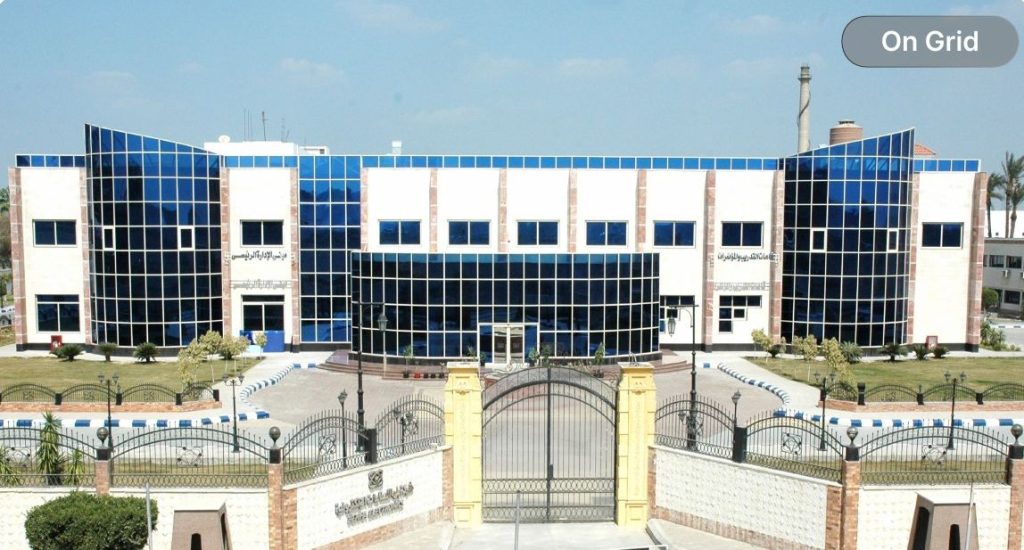
A plant without monitoring is like a car without a dashboard: it may run, but you don’t know how well. Smart monitoring shows your plant’s output live on your phone, alerts you the moment something goes wrong and turns data into decisions that save money.
Key takeaways
- Monitoring catches faults in hours instead of weeks.
- Performance ratio (PR) is the best single measure of plant health.
- Comparing strings reveals dirty or damaged panels.
- Documented data supports warranty claims and sustainability reports.
What a monitoring platform shows
- Live, daily and monthly production.
- Performance of each inverter and string.
- Alarms and faults with timestamps.
- Savings in pounds and environmental impact.
- Actual versus expected production.
Key indicators
| Indicator | Meaning | Good value, approx. |
|---|---|---|
| Specific yield (kWh/kW) | Output per installed kW | 4.5–5.5 per day in Egypt |
| Performance ratio (PR) | Actual vs theoretical output | 78%–85% |
| Availability | Share of time the plant runs | 99%+ |
Faults monitoring catches early
- An inverter stopped or derated.
- A string underperforming its peers (dirt, shading, damaged cable).
- Insulation or earth faults.
- Grid outages or voltage fluctuations.
- Gradual decline signalling it’s time to clean.
Monitoring on GPS projects
Every plant we build is handed over with a monitoring platform, and under O&M contracts our team reviews performance daily and sends monthly reports on yield, savings and PR. See the maintenance schedule.
An engineer visits to measure the space, review consumption and give a final quote.

How much would your plant save?
Get system size, cost and expected savings in under a minute.
GPS engineers have designed and built solar plants across Egypt for 15+ years. Here they share what they learn in the field.
Frequently asked questions
Do I need permanent internet for monitoring?
Yes, to stream data via Wi-Fi, a SIM or Ethernet — but the plant itself runs without internet.
Can several people follow the plant?
Yes, multiple accounts can be added for management, engineers and the maintenance team.
Keep reading
 Technology & equipment
On-Grid, Off-Grid or Hybrid? Which Solar System Is Right for You
A clear comparison of on-grid, off-grid and hybrid solar systems: how they work, cost, pros and cons, and when to choose each.
 Technology & equipment
Solar Panel Types: Mono, Poly, Bifacial, TOPCon and HJT — Which Is Best?
A simple guide to the panel technologies available in 2026, how they differ in efficiency, heat performance and lifespan, and when bifacial…
 Technology & equipment
The Solar Inverter: The Heart of Your Plant — Types and How to Choose
What the inverter does in a solar plant, the difference between string, central, micro and hybrid inverters, and how to choose size…
 Technology & equipment
Solar Batteries: Lithium or Lead-Acid? A Buyer's Guide
A practical comparison of lithium iron phosphate and lead-acid batteries by lifespan, depth of discharge and true cost, and when you need…
 Technology & equipment
Solar Panel Maintenance: A Practical Schedule for Maximum Output
A clear maintenance schedule for solar plants: what to check daily, monthly and yearly, how to catch faults early and keep your…
 Technology & equipment
Cleaning Solar Panels in Desert Conditions: How Often and How?
Dust is one of the biggest causes of lost output in Egypt. Learn the right cleaning frequency, safe methods and common mistakes…
 Technology & equipment
Do Solar Panels Work in Extreme Heat? How Temperature Affects Efficiency
Heat lowers panel efficiency slightly, but strong sunshine more than compensates. Understand the temperature coefficient and how we design for Egyptian summers.
 Technology & equipment
Solar Warranties Explained: What a 25- or 30-Year Warranty Really Covers
The difference between product, performance and workmanship warranties, what voids them, and how to protect yourself before signing.