
Technology & equipment 2 min read
Do Solar Panels Work in Extreme Heat? How Temperature Affects Efficiency
Heat lowers panel efficiency slightly, but strong sunshine more than compensates. Understand the temperature coefficient and how we design for Egyptian summers.
 GPS Engineering Team
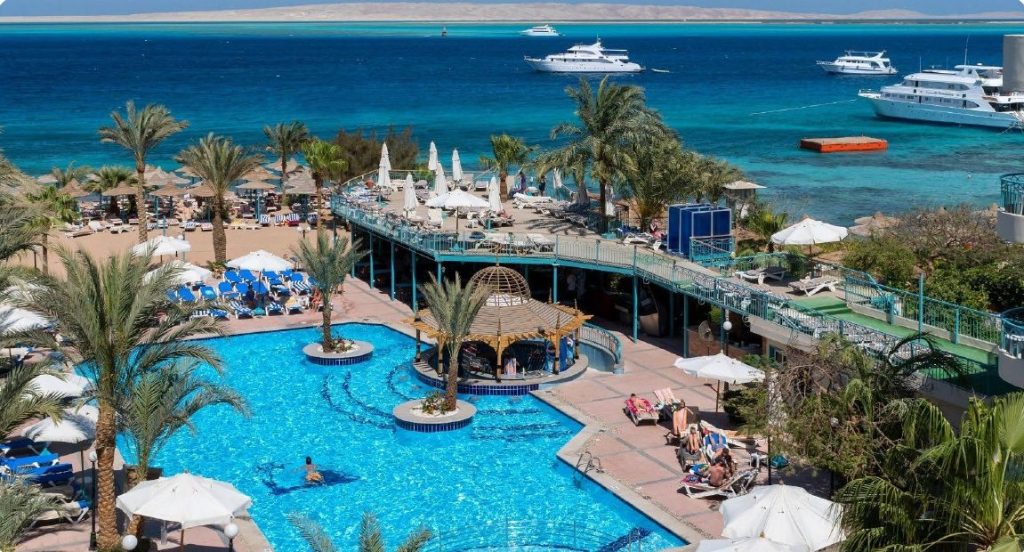
Many people assume extreme heat is ideal for solar. In fact panels love light, not heat. Even so, Egypt remains one of the world’s best producers, because the intensity of the sunshine outweighs the heat penalty by a wide margin.
Key takeaways
- Panels lose a little efficiency for every degree of cell temperature above 25 °C.
- In summer, cells can run 20–30 °C hotter than the air.
- N-type panels (TOPCon, HJT) handle heat better.
- Ventilation behind panels and good structure design reduce thermal losses.
What is the temperature coefficient?
It is the percentage by which panel power drops for each °C above 25 °C (standard test temperature).
Example: a TOPCon panel at 65 °C: (65 − 25) × 0.29% ≈ 11.6% lower instantaneous power. Yet Egypt’s intense irradiance keeps summer daily yield among the highest of the year.
How we reduce heat losses
- Technology: panels with a low temperature coefficient.
- Ventilation: enough gap between panels and roof for airflow.
- Raised structures on ground mounts.
- Inverter location: shaded and ventilated, since inverters also derate in heat.
- Thermal design: string voltages calculated safely for temperature extremes.
Heat and lifespan
Large day–night temperature swings stress connections over time. That’s why we use genuine MC4 connectors, torque them correctly and check them thermally each year as part of the maintenance schedule.
The bottom line
Heat doesn’t make solar unviable in Egypt; it makes component choice and engineering more important. Read our panel technology comparison.
An engineer visits to measure the space, review consumption and give a final quote.

How much would your plant save?
Get system size, cost and expected savings in under a minute.
GPS engineers have designed and built solar plants across Egypt for 15+ years. Here they share what they learn in the field.
Frequently asked questions
Can I spray panels with water to cool them?
Not as routine: sudden cooling stresses the glass, and the gain is small compared with water cost and risk.
Which months produce most in Egypt?
Usually spring and early summer (April–June): long days and clear skies with less heat than the August peak.
Keep reading
 Technology & equipment
On-Grid, Off-Grid or Hybrid? Which Solar System Is Right for You
A clear comparison of on-grid, off-grid and hybrid solar systems: how they work, cost, pros and cons, and when to choose each.
 Technology & equipment
Solar Panel Types: Mono, Poly, Bifacial, TOPCon and HJT — Which Is Best?
A simple guide to the panel technologies available in 2026, how they differ in efficiency, heat performance and lifespan, and when bifacial…
 Technology & equipment
The Solar Inverter: The Heart of Your Plant — Types and How to Choose
What the inverter does in a solar plant, the difference between string, central, micro and hybrid inverters, and how to choose size…
 Technology & equipment
Solar Batteries: Lithium or Lead-Acid? A Buyer's Guide
A practical comparison of lithium iron phosphate and lead-acid batteries by lifespan, depth of discharge and true cost, and when you need…
 Technology & equipment
Solar Panel Maintenance: A Practical Schedule for Maximum Output
A clear maintenance schedule for solar plants: what to check daily, monthly and yearly, how to catch faults early and keep your…
 Technology & equipment
Cleaning Solar Panels in Desert Conditions: How Often and How?
Dust is one of the biggest causes of lost output in Egypt. Learn the right cleaning frequency, safe methods and common mistakes…
 Technology & equipment
Solar Warranties Explained: What a 25- or 30-Year Warranty Really Covers
The difference between product, performance and workmanship warranties, what voids them, and how to protect yourself before signing.
 Technology & equipment
Smart Solar Monitoring: Why Your Plant Shouldn't Run Without It
How solar monitoring works, which indicators to watch, and how it catches faults early and protects your investment.