
Technology & equipment 2 min read
Solar Panel Types: Mono, Poly, Bifacial, TOPCon and HJT — Which Is Best?
A simple guide to the panel technologies available in 2026, how they differ in efficiency, heat performance and lifespan, and when bifacial makes sense.
 GPS Engineering Team
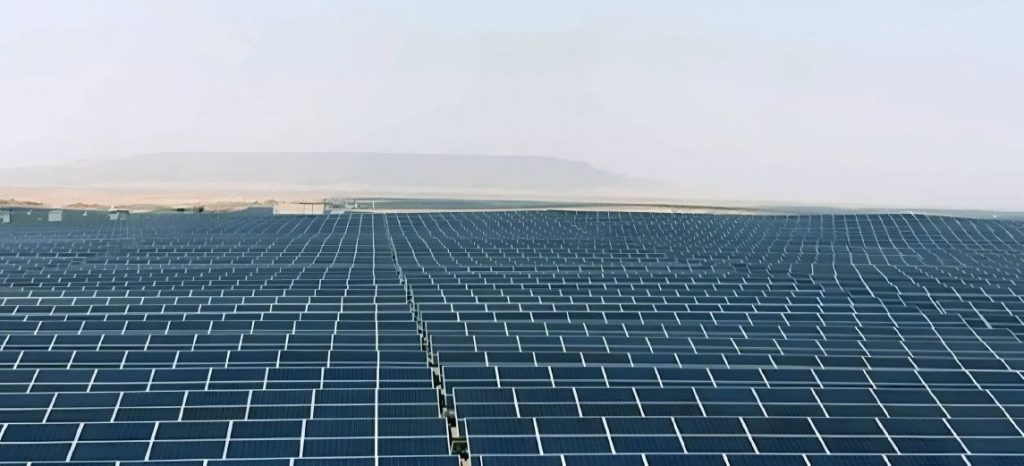
Quotations are full of terms like Mono PERC, TOPCon and bifacial. These aren’t marketing details: they genuinely affect plant output over 25 years, especially in Egypt’s heat.
Key takeaways
- Monocrystalline panels are today’s standard; polycrystalline is now rare.
- TOPCon is the most widespread technology in 2026, with efficiency above 22%.
- Bifacial panels add yield from light reflected off bright roofs and ground.
- Heat performance (temperature coefficient) matters a lot in Egypt’s climate.
Technology comparison
| Technology | Approx. efficiency | Heat performance | Notes |
|---|---|---|---|
| Poly | 16%–18% | Weak | Legacy technology |
| Mono PERC | 20%–21.5% | Good | The standard until 2023 |
| TOPCon (N-type) | 22%–23.5% | Very good | Most widespread today |
| HJT | 22.5%–24% | Excellent | Slightly pricier |
| Back-contact | 23%–24.5% | Excellent | Highest efficiency for tight spaces |
Why the temperature coefficient matters
Panel ratings are measured at 25 °C, but cell temperatures on an Aswan roof in summer can exceed 65 °C. Every degree above 25 trims output slightly:
The gap looks small, but over a summer — and 25 years — it adds up to thousands of extra kWh. Read how heat affects panels.
Bifacial panels
They capture light on both faces. The rear side benefits from light reflected by the ground or roof, which can add 5%–15% on white roofs, pale sand or raised ground-mount arrays. On metal roofs very close to the panels the gain is limited.
What about panel wattage?
Today’s panels range from 550 to 720 W. Bigger panels reduce connections and structure, but are heavier and larger, so we choose the size that suits the roof and mounting method.
How to check panel quality
- Certifications: IEC 61215 and IEC 61730, plus IEC 61701 for coastal sites.
- Product warranty (12–15 years) and performance warranty (25–30 years).
- Annual degradation (ideally 0.4% or less for N-type).
An engineer visits to measure the space, review consumption and give a final quote.

How much would your plant save?
Get system size, cost and expected savings in under a minute.
GPS engineers have designed and built solar plants across Egypt for 15+ years. Here they share what they learn in the field.
Frequently asked questions
Are more expensive panels always better?
Not always. What matters is the cost per kWh produced over the plant's life, plus the manufacturer's quality and warranties.
Can different panel types be mixed in one plant?
Avoid mixing them on the same string. Different types can sit on separate MPPT inputs of the inverter.
Keep reading
 Technology & equipment
On-Grid, Off-Grid or Hybrid? Which Solar System Is Right for You
A clear comparison of on-grid, off-grid and hybrid solar systems: how they work, cost, pros and cons, and when to choose each.
 Technology & equipment
The Solar Inverter: The Heart of Your Plant — Types and How to Choose
What the inverter does in a solar plant, the difference between string, central, micro and hybrid inverters, and how to choose size…
 Technology & equipment
Solar Batteries: Lithium or Lead-Acid? A Buyer's Guide
A practical comparison of lithium iron phosphate and lead-acid batteries by lifespan, depth of discharge and true cost, and when you need…
 Technology & equipment
Solar Panel Maintenance: A Practical Schedule for Maximum Output
A clear maintenance schedule for solar plants: what to check daily, monthly and yearly, how to catch faults early and keep your…
 Technology & equipment
Cleaning Solar Panels in Desert Conditions: How Often and How?
Dust is one of the biggest causes of lost output in Egypt. Learn the right cleaning frequency, safe methods and common mistakes…
 Technology & equipment
Do Solar Panels Work in Extreme Heat? How Temperature Affects Efficiency
Heat lowers panel efficiency slightly, but strong sunshine more than compensates. Understand the temperature coefficient and how we design for Egyptian summers.
 Technology & equipment
Solar Warranties Explained: What a 25- or 30-Year Warranty Really Covers
The difference between product, performance and workmanship warranties, what voids them, and how to protect yourself before signing.
 Technology & equipment
Smart Solar Monitoring: Why Your Plant Shouldn't Run Without It
How solar monitoring works, which indicators to watch, and how it catches faults early and protects your investment.